
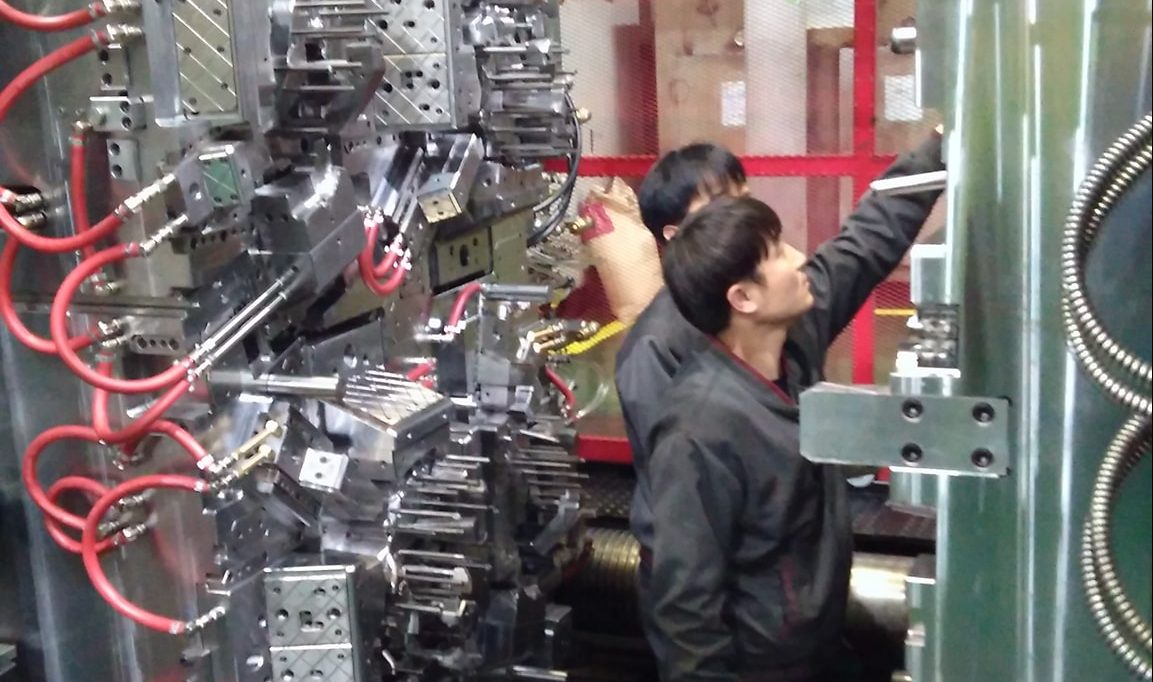
In the automotive industry, the design and manufacturing of components often rely heavily on plastic injection moulding due to its efficiency, precision, and cost-effectiveness. Whether it’s for interior trims, exterior panels, or under-the-hood components, the process of designing moulding tooling plays a crucial role in ensuring quality, durability, and compliance with industry standards. Here are four primary design considerations that are critical when developing plastic injection moulding tooling for automotive applications:
1. Material Selection and Properties
The choice of material for automotive components is crucial, considering factors such as mechanical strength, heat resistance, chemical resistance, and aesthetic requirements. Commonly used materials in automotive plastic injection moulding include:
- Polypropylene (PP): Known for its lightweight, chemical resistance, and flexibility, making it suitable for interior trims and functional parts.
- Acrylonitrile Butadiene Styrene (ABS): Offers good impact resistance, rigidity, and surface finish, making it suitable for exterior components.
- Polyethylene (PE) and Polyvinyl Chloride (PVC): Used for various automotive applications, including piping and trim components.
- Polyamide (PA or Nylon): Provides high strength, heat resistance, and durability, often used in engine components and structural parts.
The material selection influences the design of the moulding tooling, including the cooling system, ejection mechanism, and overall mould structure to ensure consistent part quality and longevity.
2. Tooling Design for Complexity and Precision
Automotive components often require complex geometries and tight tolerances to meet functional and aesthetic requirements. The design of the injection moulding tooling must accommodate:
- Core and Cavity Design: Ensuring precise mating surfaces and adequate draft angles to facilitate easy ejection of parts.
- Gate and Runner System: Optimizing the gate location and runner design to minimize part defects like weld lines and air traps.
- Cooling System: Efficient cooling channels to maintain uniform temperature distribution and cycle time reduction.
- Venting: Proper venting to evacuate air and gases during the injection process, preventing voids and ensuring part integrity.
- Surface Finish: Texture and surface finish considerations to meet aesthetic standards and functional requirements.
Advanced CAD/CAM software and simulation tools are often employed to optimize these aspects of tooling design, ensuring optimal part quality and production efficiency.
3. Durability and Tool Life
Given the high volumes and stringent quality requirements in automotive manufacturing, tooling durability is paramount. Factors influencing tool longevity include:
- Material Selection for Tooling: Choosing appropriate tool steel or alloys with high hardness, wear resistance, and toughness.
- Surface Treatments: Hardening treatments like nitriding or coatings such as TiN (Titanium Nitride) to enhance wear resistance and reduce friction.
- Maintenance and Care: Regular maintenance practices, including cleaning, lubrication, and inspection to prevent wear and extend tool life.
- Tool Design for Maintenance: Designing tooling with accessibility for maintenance and repair operations, minimizing downtime.
Investing in high-quality tooling upfront pays dividends in terms of consistent part quality, reduced scrap, and overall production efficiency over the tool’s lifecycle.
4. Compliance and Safety Standards
Automotive components must meet stringent regulatory and safety standards, requiring careful consideration during the design of injection moulding tooling. Key aspects include:
- Material Compliance: Ensuring materials used meet automotive industry standards for performance, safety, and environmental impact.
- Dimensional Accuracy: Consistently achieving tight tolerances and dimensional stability to meet functional requirements.
- Testing and Validation: Conducting rigorous testing and validation of components to verify compliance with industry standards and customer specifications.
- Traceability: Establishing traceability of materials and manufacturing processes to ensure accountability and facilitate recalls if necessary.
Adhering to these standards not only ensures regulatory compliance but also enhances brand reputation and customer satisfaction by delivering reliable and safe automotive components.